6 Core Principles That Drive Our Singapore Event Company to Deliver Exceptional Events

A great event can look effortless from the outside. Guests arrive, lights come up, music starts, the programme flows, and every detail feels like it belongs. Behind that smooth experience sits a set of decisions, habits, and values that guide the team long before event day.

For our event company in singapore, these values are not slogans on a wall. They shape how we listen, plan, solve problems, manage pressure, and deliver moments that people remember. Singapore is a demanding place to plan events. Venues are varied, timelines can be tight, audiences are diverse, and expectations are high. Strong principles help us stay consistent while adapting to each client, space, and occasion.
Here are the six core principles that guide our work.
Our principles create a better event experience from start to finish
Event planning involves many moving parts. There are creative choices, technical needs, guest expectations, venue rules, safety checks, vendors, run sheets, and last-minute changes. Without clear principles, decisions can become reactive.
A strong event team needs more than checklists. It needs a shared way of thinking. That shared approach helps everyone know what matters most when a plan changes or a client asks for guidance.
Our six core principles are:
Customer commitment
Going beyond expectations
Overcoming challenges with new ideas and creativity
Diversity of thought
Continuous learning
Teamwork
Each principle supports the others. Customer commitment keeps the event anchored to the client’s goals. Going beyond expectations pushes the team to add thoughtful value. Creativity helps solve problems. Diversity of thought prevents narrow planning. Continuous learning keeps our work fresh. Teamwork brings it all together on event day.
We start with customer commitment

Customer commitment means we treat every event as personal to the client. Whether it is a brand activation, dinner celebration, product experience, family day, awards night, community event, or private gathering, the event carries a purpose. Our role is to understand that purpose before we suggest a stage design, activity flow, entertainment idea, or technical setup.
This principle shapes our service in several clear ways.
We listen before we plan
Strong planning starts with the right questions. We want to know what success looks like, who will attend, what guests should feel, and what must be avoided. A client may ask for “something exciting”, but that can mean many things. It could mean high-energy entertainment, a bold entrance moment, an interactive guest experience, or simply a programme that never feels flat.
Listening helps us move from a general request to a clear direction. It also helps prevent waste. If a client values meaningful guest interaction, we focus on activities and flow. If the main concern is punctuality, we design a tight programme with practical buffers.
We communicate clearly
Events can become stressful when clients do not know what is happening. Clear communication keeps everyone steady. We set expectations on timelines, approvals, site checks, vendor coordination, and creative development. When there is a trade-off, we explain it plainly.
For example, a dramatic lighting effect may require extra rigging time. An outdoor concept may need a wet-weather plan. A fast room turnaround may limit how complex the décor can be. Customer commitment means giving honest guidance, not simply saying yes to everything.
We protect the client’s goals
On event day, decisions come quickly. If a queue forms, a performance runs long, or a speaker arrives late, the team needs to act with the client’s goals in mind. A committed team understands the event’s priorities and can respond without losing sight of the bigger picture.
That is why we treat the brief as more than a document. It becomes the compass for the full project.
We go beyond expectations in practical ways
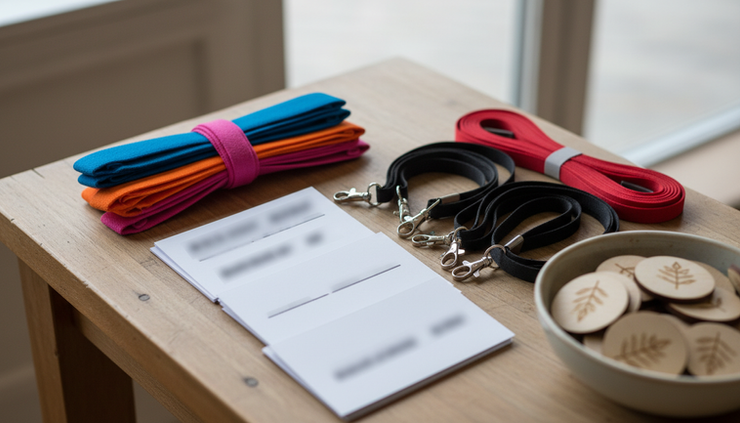
Going beyond expectations does not always mean adding expensive extras. Often, it means noticing what would make the experience smoother, warmer, or more memorable, then acting on it before the client has to ask.
The best added value is useful, not showy. It solves a real need.
Here are examples of what that can look like.
We improve the guest journey
A client may focus on the main programme, while guests experience the event from the moment they arrive. We look at the full journey:
How easy is it to find the venue entrance?
Will registration move quickly?
Are signs clear for guests who have never been there?
Is there enough time between activities?
Can older guests, families, or guests with mobility needs move comfortably?
For a large dinner event, going beyond expectations could mean adding clearer wayfinding, adjusting the seating plan to reduce bottlenecks, or preparing a calmer check-in process. These small details can change how guests feel.
We prepare for needs clients may not mention
Clients are often focused on the big items, such as theme, stage, food, entertainment, and schedule. An experienced event management company also thinks about what happens around those items.
For an outdoor event, we may suggest extra hydration points, shaded waiting areas, fan placement, or a rain-ready layout. For a high-energy celebration, we may adjust sound levels and transitions so the event feels lively without becoming tiring. For a family-oriented event, we may recommend activity zones that suit different ages instead of one generic entertainment area.
We add thoughtful creative touches
Exceeding expectations can also come through customised moments. A simple entrance arch can become a photo-worthy welcome point. A standard prize presentation can feel more exciting with lighting cues and music timing. A networking area can feel more inviting with seating clusters and interactive stations.
These touches work best when they serve the event’s purpose. They should feel natural, not forced.
We solve challenges with new ideas and creativity

Every event brings surprises. A venue may have restrictions. A delivery may run late. Weather may shift. Guest numbers may change. A performance may need more setup time than expected. Creativity matters because plans rarely remain perfect from start to finish.
The goal is not to avoid every challenge. That is impossible. The goal is to build a team that can respond calmly and well.
When weather changes the plan
Outdoor events in Singapore need practical backup options. Rain can arrive quickly, and heat can affect comfort. A creative response starts during planning, not only when clouds appear.
For an outdoor community event, the team might design activity booths in modular clusters so they can move under shelter if needed. Décor can be chosen for easy relocation. Sound equipment can be protected with suitable covers and placement. Signage can direct guests to sheltered routes.
If rain comes, the event still feels planned, not improvised.
When a venue has space limits
Some venues look beautiful but come with tight loading areas, narrow corridors, ceiling height limits, or strict setup windows. Instead of forcing a concept that does not fit, we reshape the idea.
A large stage backdrop might become a layered low-profile installation. A bulky activity zone might become several smaller interactive stations. A grand entrance feature could shift from height to lighting, texture, and placement.
Creative planning turns limits into design choices.
When timelines are tight
Tight timelines require careful sequencing. If a venue only allows access at a specific time, the team may pre-pack décor by zone, label equipment clearly, assign dedicated setup leads, and schedule vendors in waves. This reduces confusion and saves minutes when every minute counts.
Creativity here is practical. It lives in packing plans, equipment choices, layout decisions, and crew movement.
When the audience is mixed
Some events bring together guests with different ages, languages, cultures, or comfort levels. A single activity may not suit everyone. The creative challenge is to design an experience with options.
That might mean combining seated entertainment with walkabout acts, quiet corners with high-energy zones, or visual storytelling with simple live hosting. A good event gives different guests ways to enjoy it without feeling left out.
We value diversity of thought in planning

Diversity of thought helps event planning because events are experienced by many kinds of people. A narrow team may miss details that affect comfort, access, enjoyment, or cultural fit. A team with different viewpoints asks better questions.
This does not mean every idea gets used. It means the planning process becomes richer before decisions are made.
Better ideas come from different perspectives
Designers may focus on atmosphere. Operations staff may notice crowd flow. Technical crew may spot power or sound issues. Client servicing teams may understand stakeholder concerns. Entertainment coordinators may sense where energy could drop.
When these views come together, the event becomes stronger. A décor idea becomes easier to build. A programme becomes more realistic. A guest journey becomes more comfortable.
It helps avoid blind spots
In Singapore, audiences often reflect a mix of cultures, languages, dietary needs, and preferences. Diversity of thought helps the team plan with care. It may influence food arrangements, activity choices, music selection, accessibility, signage, timing, and guest communication.
For example, a family day may need spaces for young children, elderly guests, and adults who prefer relaxed interaction. A dinner event may need a programme that respects formal moments while keeping the mood enjoyable. A public-facing activation may need clear instructions that work for people passing by quickly.
Good planning considers these details early.
It strengthens creative judgement
Not every creative idea is the right fit. Some look impressive but may not serve the guests. Others are simple but highly effective. By inviting different opinions, the team can test ideas before presenting them.
The result is a clearer, more thoughtful event concept.
We keep learning so every event gets better

Event planning changes constantly. Guest expectations shift. New entertainment formats appear. Venues update rules. Technology develops. Safety practices improve. A team that stops learning soon repeats old habits, even when better options exist.
Continuous learning keeps our skills sharp and our ideas useful.
We learn from each event
After an event, the work is not truly finished until the team reviews what happened. We look at what worked, what felt smooth, what caused friction, and what can be improved next time.
This review may cover:
Guest arrival flow
Vendor timing
Stage and sound cues
Activity participation
Client feedback
Crew communication
Pack-down efficiency
The aim is not to blame. The aim is to improve the next event.
We build stronger technical knowledge
Modern events often combine staging, lighting, sound, video, décor, entertainment, audience engagement, and logistics. Team members do not need to master every technical role, but they do need enough knowledge to make better decisions.
When planners understand basic sound needs, lighting angles, power requirements, and setup timing, they can design events that are both creative and workable. This reduces last-minute stress for the client and the crew.
We stay curious about guest behaviour
A good event is not only about what is placed in a space. It is about how people move, react, gather, and participate. Continuous learning helps the team notice patterns.
If guests avoid a station, why? If a queue forms, what caused it? If energy drops after dinner, how can the programme recover? If a photo area attracts people, what made it work?
These observations help future events feel more natural and engaging.
We rely on teamwork when it matters most

No single person delivers a successful event alone. Even a simple event depends on coordination. A larger event may involve planners, designers, fabricators, sound crew, lighting crew, hosts, entertainers, venue managers, caterers, safety teams, transport providers, and client representatives.
Teamwork turns many separate tasks into one smooth experience.
Clear roles reduce confusion
Before an event, everyone needs to know what they own. Who handles vendor arrivals? Who checks the stage? Who confirms the guest registration setup? Who watches the programme timing? Who speaks to the venue team? Who supports the client on site?
Clear roles help the team act quickly. They also prevent duplicate work and missed details.
Trust keeps the team calm
Event days can be intense. A calm team makes a visible difference. When people trust one another, they communicate faster, solve issues earlier, and support each other without ego.
If the décor team needs extra hands, operations can assist. If registration gets crowded, crew members can redirect guests. If a timing change affects entertainment, the show caller can adjust cues and inform the right people.
Teamwork is not only about being friendly. It is about being dependable under pressure.
Collaboration improves the final result
The strongest events often come from shared ownership. A designer may suggest a beautiful concept, then operations makes it buildable. A technical lead may suggest lighting that improves the mood. A client service lead may refine the idea so it fits the client’s audience.
When collaboration works, the event feels complete. Each detail supports the next.
How these principles come together on event day
The six principles are strongest when they work together. Picture a client planning an outdoor appreciation event with guests of different ages. Customer commitment helps us understand the purpose. Going beyond expectations pushes us to improve arrival flow and comfort. Creativity helps us prepare for weather and space limits. Diversity of thought helps shape activities for different guests. Continuous learning informs better crowd flow and timing. Teamwork keeps everything moving when the event begins.
That combination is what separates basic coordination from thoughtful event planning.
For organisations and individuals comparing event companies in Singapore, the difference often shows up in the details. Does the team ask useful questions? Do they explain options clearly? Can they adapt when plans change? Do they care about the guest experience, not just the setup? Do they work well together under pressure?
Those answers matter.
If you are planning an upcoming event and want a team guided by these principles, explore how Electric Dreamz can support your next event.
Frequently asked questions
What makes an event company reliable?
A reliable event company communicates clearly, plans ahead, manages vendors well, and stays calm when changes happen. Reliability also shows in the small details, such as timing, guest flow, backup plans, and on-site coordination.
Why are core principles important in event planning?
Core principles guide decisions when timelines are tight or plans shift. They help the team stay consistent, protect the client’s goals, and deliver a better guest experience.
How does creativity help during an event?
Creativity helps the team solve real problems, such as space limits, weather changes, timing issues, or mixed audience needs. It is not only about decoration. It also shapes layout, flow, programme design, and backup plans.
What should clients prepare before speaking with an event team?
Clients should prepare the event goal, estimated guest count, preferred date, venue status, budget range, and any must-have items. It also helps to share what guests should feel or remember after the event.
How early should event planning begin?
The earlier the better, especially for larger events or popular dates. More lead time gives the team better access to venues, vendors, creative development, and contingency planning.
The principles behind the moments people remember
Exceptional events do not happen by chance. They come from careful listening, thoughtful planning, creative problem-solving, open-minded collaboration, steady learning, and strong teamwork.
These six principles guide how our event company in Singapore serves clients and care for guests. They help us design events that are not only well organised, but also meaningful, comfortable, and memorable. When the team shares the same standards, every decision becomes clearer, from the first brief to the final pack-down.


Comments